How to Integrate Alarm Systems with Electronic Door Access
Integrating an alarm system with electronic door access can bring different security functions together and make it easier to manage how people enter a property. Depending on the equipment, an integrated system may allow access permissions, door activity, alarms, and notifications to work together.
Whether you manage an apartment building, commercial property, or home, understanding how these systems work together can help you make informed decisions about your security setup. Before installing or upgrading equipment, it is important to consider your property’s layout, existing systems, equipment compatibility, and security needs.
Assess Your Security Needs
Start by identifying what you want your integrated security system to accomplish. Your needs may include controlling access to certain doors, receiving notifications about security events, keeping records of access activity, or managing users and permissions.
The right equipment will depend on the type of property, the number of entry points, existing security equipment, and the features you want to use. Defining these needs before selecting equipment can help you choose a system that fits the property.
Evaluate System Compatibility
Not every alarm system and electronic door access system is designed to work together. Existing equipment, wiring, controllers, and communication methods can all affect whether systems can be integrated.
Before purchasing new equipment, have the existing system evaluated to determine what is compatible and whether upgrades or additional equipment may be needed. A professional evaluation can help identify potential compatibility issues before installation begins.
Choose the Right Components
Choosing compatible equipment from the beginning can make an integrated installation easier to plan. The components needed will vary depending on the property and the type of system being installed.
Depending on the setup, components may include:
Electronic or magnetic door locks
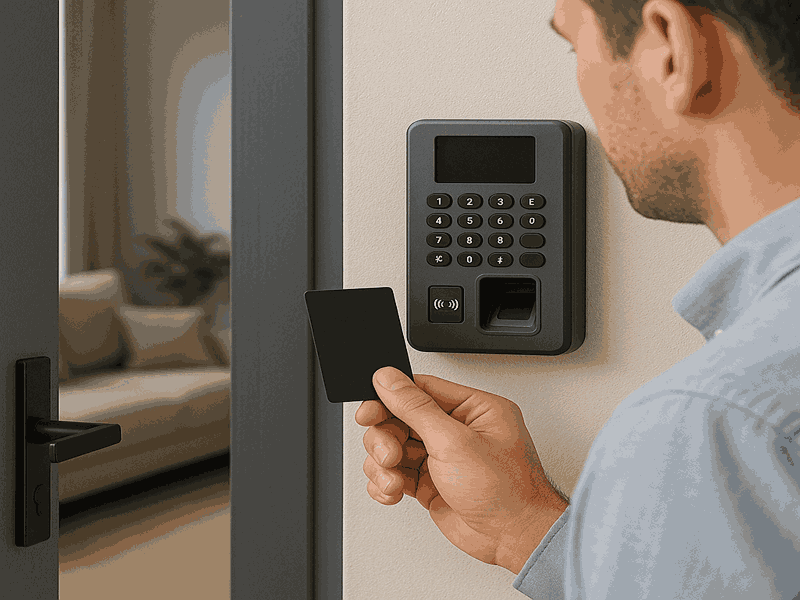
Access-control readers or keypads
Door sensors and other security devices
Software or management tools when supported by system
Plan the Integration Layout
Before installation, consider where the equipment will be located and how the different components will communicate with each other. The property layout, entry points, available wiring, power requirements, and existing security equipment can all affect the installation.
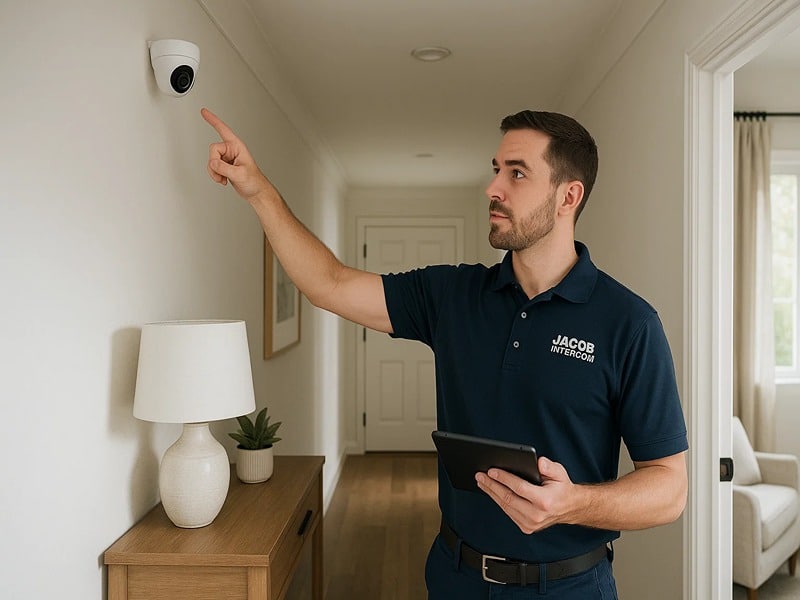
Planning equipment locations in advance can help create an organized system and reduce installation problems. A professional security technician can evaluate the property and determine the appropriate equipment placement and installation requirements.
Install Hardware and Cabling
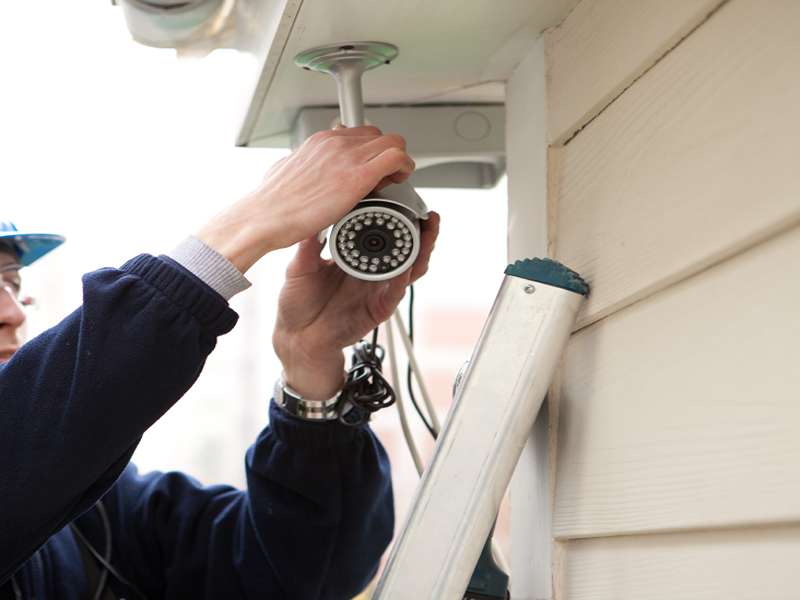
Installation may involve electronic locks, access readers, alarm equipment, wiring, and power connections. The exact equipment and installation method depend on the existing system and the property’s layout.
Professional installation can help ensure that equipment is properly connected, wiring is organized, and the different components are installed according to their requirements. After installation, the equipment should be tested to verify that the system operates as intended.
Configure Software and System Rules
Once the equipment is installed, available software and system settings can be configured to control users, permissions, schedules, notifications, and other functions.
Depending on the equipment, an integrated system may support features such as:
User credentials and access permission
Scheduled access
Alarm or security-event notifications
The available features will depend on the specific alarm and access-control systems being used. Configuration should match the property’s needs and the capabilities of the equipment.
Test the Integrated System
Testing is an important part of completing an integrated security installation. The different components should be checked to make sure they communicate properly and that configured functions operate as intended.
Testing may include checking access permissions, door activity, alarm responses, notifications, and available system records. The exact testing process depends on the equipment and installation.
Professional testing can help identify problems before the system is put into regular use and can confirm that the installed equipment is working together properly.
Train Users and Monitor System
Anyone who uses the system should understand the basic controls and access procedures that apply to them. Property managers, employees, residents, or other authorized users may have different permissions depending on the system configuration.
Some systems provide features such as remote management, security notifications, and activity records. These tools can help authorized users keep track of system activity and manage access when supported by the equipment.
Regular attention to the system can also help identify equipment problems or changes in the property’s security needs.
Conclusion
Integrating an alarm system with electronic door access can bring multiple security functions together and provide property owners with additional ways to manage entry and monitor system activity.
A successful installation starts with understanding the property’s security needs, checking equipment compatibility, selecting appropriate components, planning the installation, and properly configuring and testing the system. Because equipment and integration capabilities vary, a professional evaluation can help determine the right approach for your property.
Jacob Intercom provides intercom, security system, CCTV, and related installation and repair services throughout NYC. If you are considering a new security system or an upgrade to existing equipment, contact Jacob Intercom to discuss your property’s needs and available options.