How to Choose the Right Surveillance Technology for a Home
Choosing the right surveillance technology for your home starts with understanding your property, security needs, and the areas you want to monitor. With many types of security cameras and CCTV systems available, it is important to consider factors such as camera placement, image quality, night vision, weather resistance, recording options, and whether you need wired or wireless equipment.
A properly planned CCTV system can provide better visibility around your property and make it easier to monitor important areas. Choose a system based on your home size , layout , coverage needs, and the features you find most useful.
Assess Your Home’s Size and Layout
The size and layout of your property can help determine how many security cameras you may need and where they should be installed.
Smaller homes or apartments may require cameras at key locations such as the main entrance, driveway, or another important access point. Larger homes may have multiple entrances, larger outdoor areas, garages, or other locations that require additional coverage.
When planning a CCTV system, consider potential blind spots around entrances, side areas, backyards, driveways, and other locations where visibility may be limited. A professional assessment can identify appropriate camera locations and improve coverage.
Set a Budget
CCTV systems offer different equipment and features . Installations cost vary based on the size and requirements of the system
When planning your budget, consider the number of cameras needed, the type of cameras selected, installation requirements, recording and storage options, and whether existing equipment can be used as part of the system.
Rather than choosing equipment based only on price, consider the coverage and features your property actually needs. A properly planned system can help you avoid paying for equipment that does not provide useful coverage.
Prioritize Features for Your Needs
Different properties require different CCTV features. Consider which capabilities are most important for the areas you want to monitor.
Night vision can help cameras capture footage in low-light conditions and is especially useful for entrances, driveways, and outdoor areas.
Weather-resistant cameras are important when equipment will be installed outdoors. The appropriate weather-resistance rating depends on the camera model and the conditions where it will be installed.
Motion detection and alerts can notify you when activity is detected, making it easier to review important events without searching through hours of recorded footage.
You may also want to consider image resolution, viewing angle, recording options, remote viewing, and storage.
Consider Smart Integration
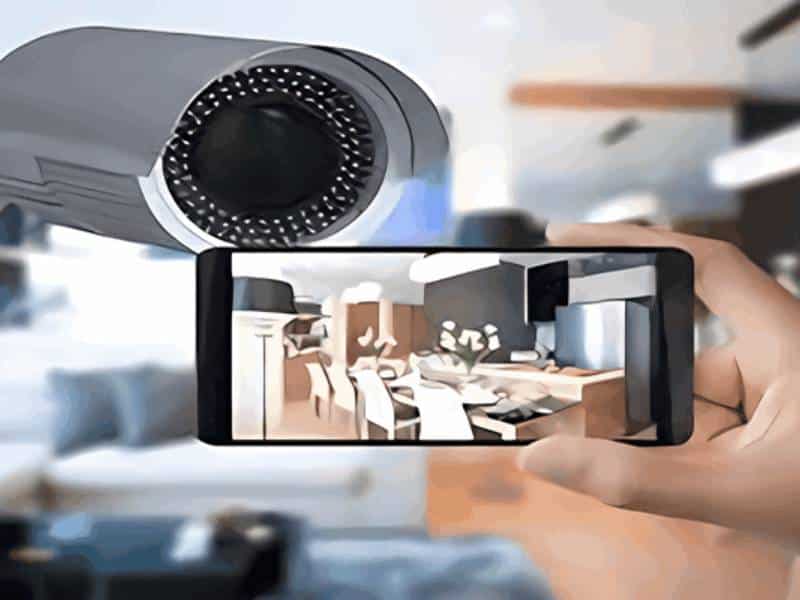
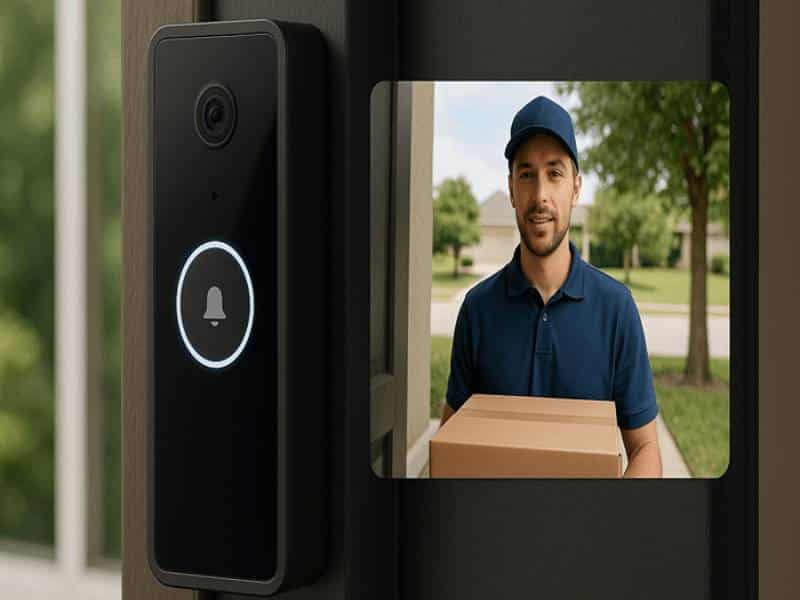
Some modern CCTV systems can work with compatible mobile applications and other connected devices. Depending on the equipment selected, homeowners may be able to view camera feeds remotely, receive activity notifications, and manage certain system functions through a mobile device.
If you already use connected devices at home, compatibility may be worth considering when selecting a surveillance system. However, the most important consideration should be whether the CCTV system provides the coverage, reliability, and features your property requires.
Wired vs. Wireless - What’s Best?
Wired and wireless CCTV systems each have different considerations.
Wired cameras provide a consistent connection and power source. They can require more involved installation because cables need to be routed between the cameras and other system equipment.
Wireless cameras can offer greater flexibility in certain installations and may be easier to reposition. However, wireless equipment can depend on network conditions, and battery-powered cameras may require regular charging or battery replacement.
Consider your property , camera locations, available wiring, network conditions, and coverage needs when chooseing between two. A professional installation assessment can help determine which approach makes sense for your home.
Test and Scale Your System
Once a CCTV system is installed, the cameras should be checked to make sure important areas are properly covered and that there are no significant gaps in visibility.
Some systems can also be expanded later if your security needs change. For example, additional cameras may be appropriate if you add a new entrance, expand an outdoor area, or decide that another part of the property needs monitoring.
Regularly checking equipment and keeping system software updated can also help maintain reliable operation.